Analysis of key tourism markets for Corfu
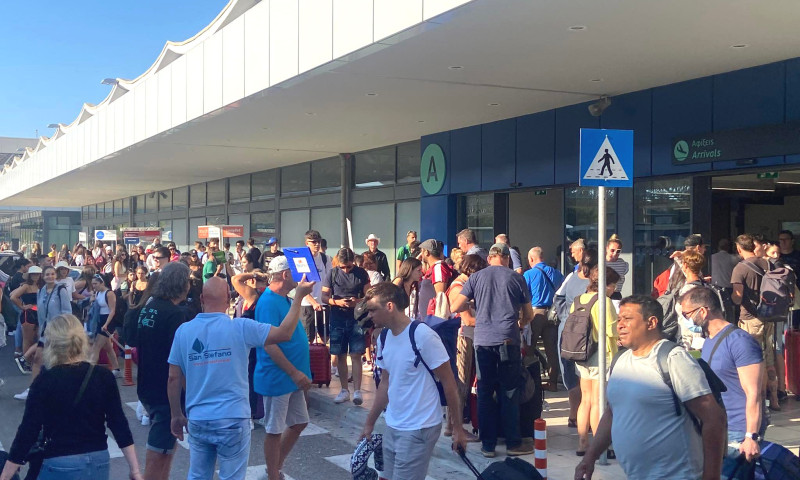
CORFU. The pressure has not yet led to fewer arrivals, but it is influencing traveller behaviour.
The rise in energy costs, and especially in Brent crude oil prices, is beginning to affect not only the cost of tourism packages but also the behaviour of visitors to Corfu, according to market data and reports in the financial and tourism press.
Increases in fuel costs have been passed on to air transport, with ticket prices rising by around 7%–8%, as recorded in data from airlines and financial media (Naftemporiki, Newmoney). Given that fuel accounts for up to 20%–25% of airlines’ operating costs, the impact is considered both immediate and structural (Liberal). This development is reflected in organised holiday packages, where overall price increases range between 5% and 15%, based on price comparisons and analyses of the tourism market (Greek Reporter, Tornos News).
Despite these increases, arrivals to Corfu remain strong so far, a trend confirmed by local media and market stakeholders (Enimerosi). However, the pressure is evident in the behaviour of individual source markets.
British travellers, who represent the island’s largest visitor base, appear resilient, mainly due to the strong presence of organised packages and a tendency toward early bookings, as noted in analyses of tourism demand for Greece (Capital.gr). Nevertheless, the market believes that if prices continue to rise, part of the demand may shift toward more affordable destinations such as Turkey and Egypt (market estimates, international tourism competition).
The German market appears more price-sensitive, showing adjustment trends such as choosing more economical accommodation and reducing the length of stay, according to European analyses of tourism behaviour and demand data (TourRadar, HolidayCheck). Similarly, Italian travellers are more directly affected by transportation costs, due to lower average spending and a greater reliance on flexible or road travel (market estimates and comparative travel cost data – GoTripzi).
The main conclusion drawn from the above is that the pressure is not yet manifested as a direct decline in arrivals, but rather as a change in traveller behaviour: fewer last-minute bookings, greater search for deals, and more intensive price comparisons (general market trends – Greek Reporter, Capital.gr).
Looking ahead to the rest of the season, analyses converge on three scenarios: stabilisation of energy prices with limited impact; a moderate continuation of increases putting pressure on more sensitive markets; and finally, an adverse scenario involving a new rise in energy costs that could significantly affect arrivals through a redirection of demand (converging estimates from international and Greek tourism analyses).
GIORGOS KATSAITIS