Yes to exploration now, with new decision if deposit is found
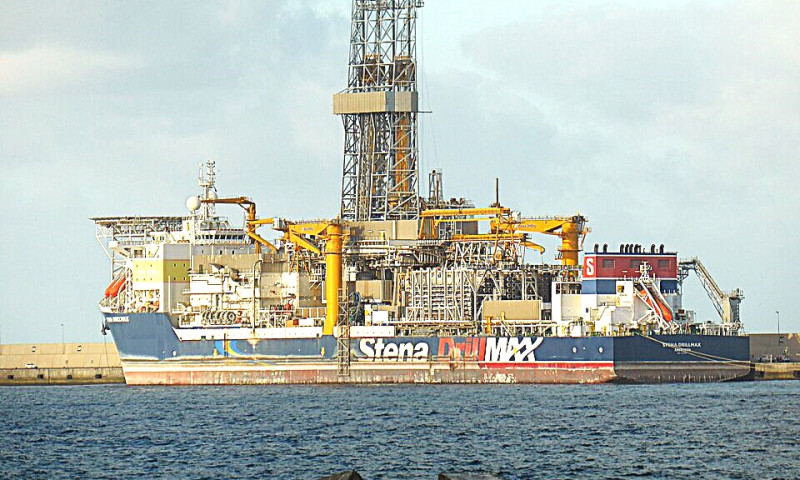 The Stena DrillMAX, the drillship selected for the exploratory drilling operation in Block 2. Photo: Carlos Teixidor Cadenas / Wikimedia Commons / CC BY-SA 4.0. Wikimedia Commons
CORFU. The Ionian Islands Regional Council essentially aligned itself with the position already adopted by the Epirus Region: consent to the exploratory drilling now, followed by a reassessment of the issue immediately after the results are known, should they pave the way for the next stage of development.
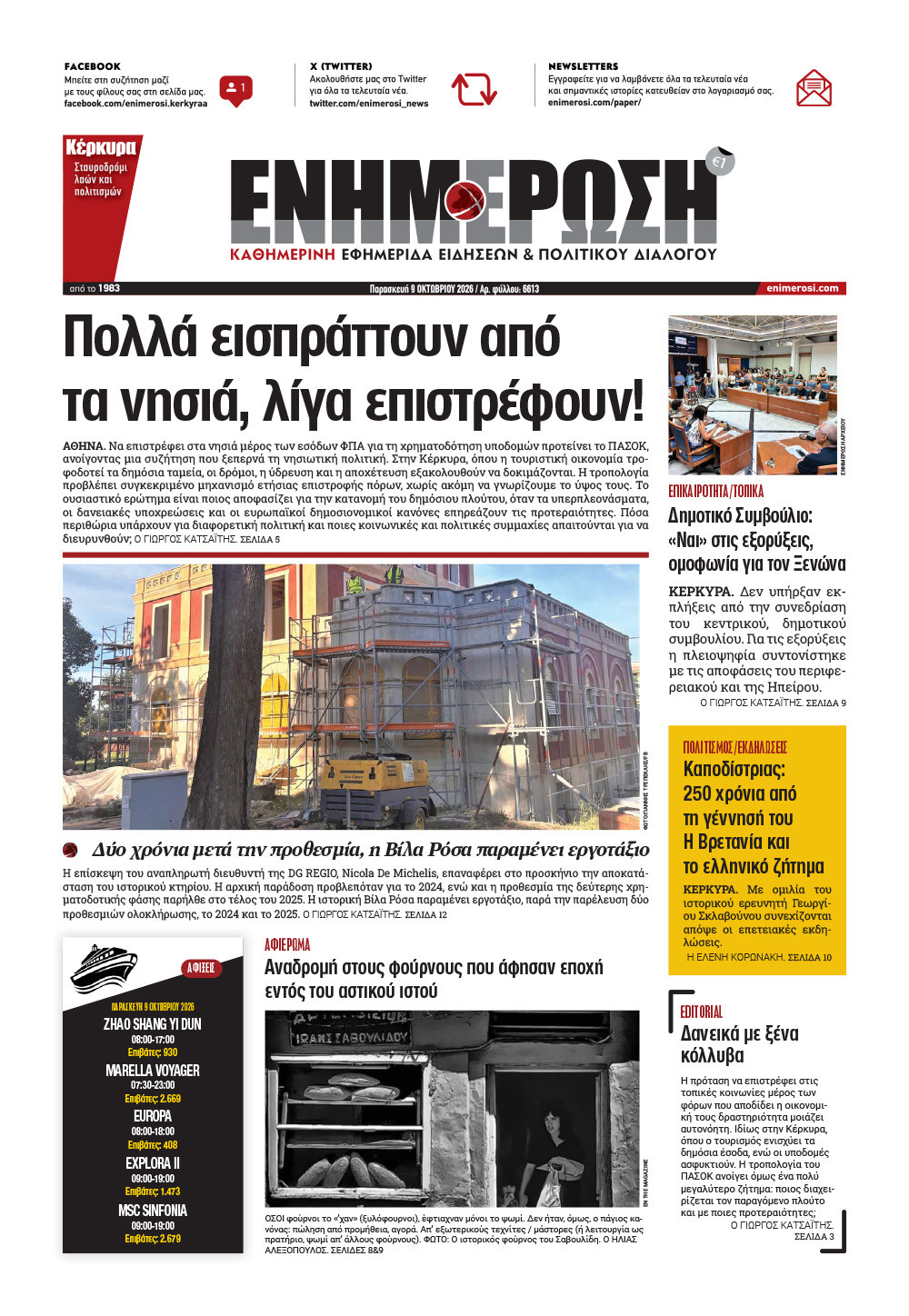
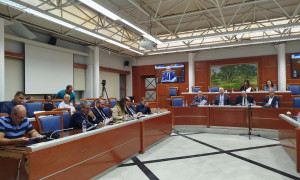
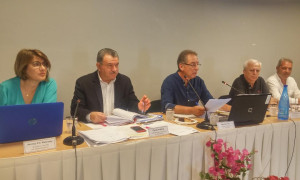
A majority of the Ionian Islands Regional Council issued a positive opinion on the Asopos-1 exploratory drilling operation in Block 2, ultimately adopting a position that clearly distinguishes the current exploration stage from any potential future exploitation of hydrocarbons.
The key political intervention came from the “Ionio Dynata” faction led by Rodi Kratsa, which voted in favour alongside the Regional Authority after a proposal was formulated during the discussion under which the Region consents to the exploratory drilling, but the issue should return to the Regional Council once the results of the exploration are known, provided these lead to a process for developing the deposit.
With this wording, the Ionian Islands Regional Council is essentially moving in the same direction as the Epirus Region, which had already issued a positive opinion on the exploration stage. The political rationale is that the current decision concerns determining whether an exploitable deposit exists, rather than automatically authorising the start of commercial extraction.
At the same time, the Ionian Islands’ “yes” is accompanied by the framework of the 17 environmental and operational conditions proposed by the Region’s competent department. These include enhanced measures to address potential marine pollution, strengthened protection of cetaceans, provision for immediate intervention in the event of an accident, and environmental monitoring before, during and after the drilling operation.
The final position emerged following extensive discussion at the extraordinary meeting held on Monday, 5 October. The Regional Authority and the “Ionio Dynata” faction voted in favour, while ANASA, Laiki Sispirosi and Menoume Ionio voted against the opinion.
Thus, the Ionian Islands Region is not giving blanket political consent at this stage to a full-scale hydrocarbons extraction programme. It is issuing a positive opinion on the exploratory drilling, while explicitly leaving open the possibility of a further political decision if the results reveal a commercially exploitable deposit.
At that next stage, issues concerning the terms of exploitation, environmental safeguards and potential compensatory benefits for the Ionian Islands will inevitably come back into focus.
With this decision now in place, Epirus and the Ionian Islands appear to be broadly aligned in their approach to Block 2: first the exploratory drilling and its results, and then — only if necessary — a new institutional and political discussion on development.
GIORGOS KATSAITIS