Waste treatment plant as Christmas ΄gift΄
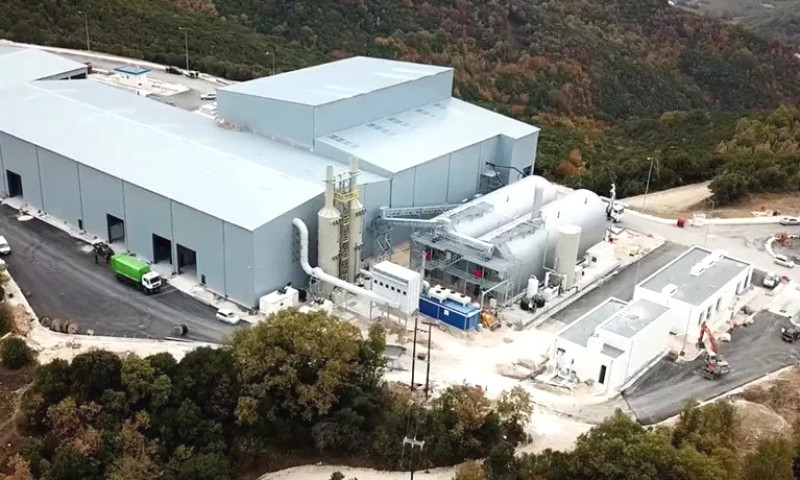
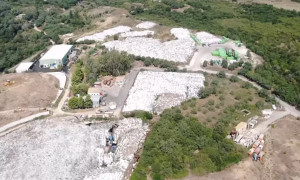
CORFU. Contract to be signed with contractor for the construction of the Urban Solid Waste Treatment Plant in Temploni.
One of the island’s most important infrastructure projects has reached a critical stage, as the contract for the construction of the Urban Solid Waste Treatment Plant is being signed today. This development follows a prolonged period of delays, appeals and institutional obstacles that for years left a comprehensive solution to the waste-management problem unresolved.
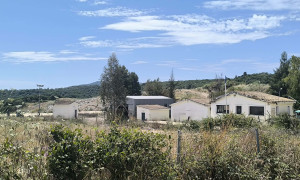
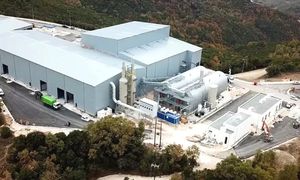
The facility will be built in Temploni and will serve the entire island of Corfu, with an annual processing capacity of approximately 120,000 tonnes of waste. It will be based on modern mechanical and biological treatment technology, aiming to recover recyclable materials, produce a soil-improving product and significantly reduce the volume of residual waste sent to landfill.
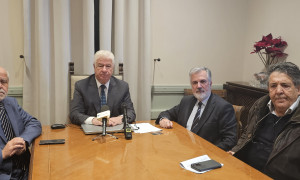
The implementing authority for the project is the Ionian Islands Solid Waste Management Agency (FODSA), while the selected contractor is the consortium of TERNA Energy and Mesogeios S.A. The contract covers both the construction of the plant and its long-term operation.
Funding is provided through ESPA, via the YMEPERAA programme, with the project expected to be completed approximately two and a half years after the contract is signed. According to the relevant authorities, beyond its environmental benefits, the plant is also expected to help reduce the cost of waste management, which currently places significant strain on Corfu’s local authorities due to the requirement to transport waste off the island.
At the same time, the imminent signing of the contract has brought renewed attention to questions and concerns within the local community regarding environmental safety, operational transparency and the role of recycling. The challenge now shifts from planning to implementation, as Corfu enters a new and decisive phase in the management of its waste.
GIORGOS KATSAITIS