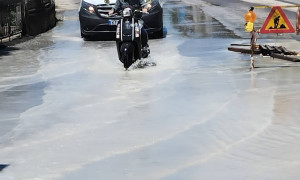
New damage to Chrysida pipeline – water outage under scrutiny
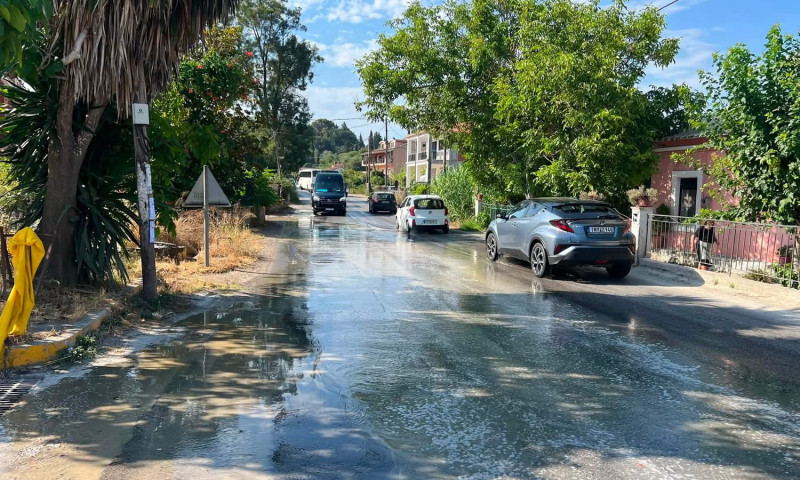 The extent of the damage will be assessed after the excavations, while the possibility of a water supply outage in the town remains open.
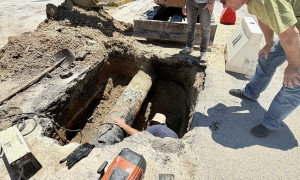
CORFU. A new leak in the main Chrysida pipeline has put DEYAK on alert. The extent of the damage will become clear after excavation work, while the possibility of a water supply outage in the town remains open. This new failure raises questions again about when it was determined that the pipeline required permanent replacement.
A new fault in the main water supply pipeline of Chrysida triggered fresh alarm at DEYAK on Tuesday morning, bringing back into focus the most vulnerable part of the network that supplies a large portion of Corfu Town.
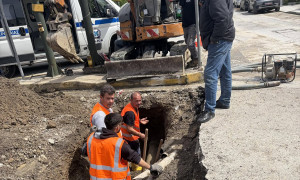
By late morning, no decision had been taken on whether a water shutdown would be required. According to DEYAK sources, the extent of the damage can only be assessed once the pipeline is uncovered. Crews are expected to be on site around 12:00, when excavation work will begin.
The same sources estimate that the most likely scenario is that a new repair of the steel pipeline will be required. In that case, a water shutdown will be necessary, as the pipeline must be emptied in order for restoration work to take place.
In recent years, this pipeline has become the weak link in the town’s water supply system, with repeated ruptures causing prolonged water outages and significant disruption for residents and businesses, especially during the summer months. Each new failure revives discussion about the need for a permanent replacement of the most burdened section of the network.
DEYAK has already signed a contract to utilise €1.6 million in funding, which concerns the replacement of problematic sections of the water supply network. However, Chrysida is not included in these specific interventions, while, according to the company’s management, funding and a contractor are now available for the replacement of part of the main pipeline.
What is delaying the start of the project, according to DEYAK, is the tourist season. The replacement requires extensive excavations and traffic arrangements on the main road axis toward the south of Corfu, a factor that is expected to cause serious traffic problems during the peak period.
The new failure, however, reignites a question that is being asked more and more frequently: given that the critical condition of the pipeline was known and its replacement is now considered necessary, why did the project not proceed during the winter months, when the traffic impact would have been clearly smaller?
GIORGOS KATSAITIS