Even if construction of waste processing plant started today...
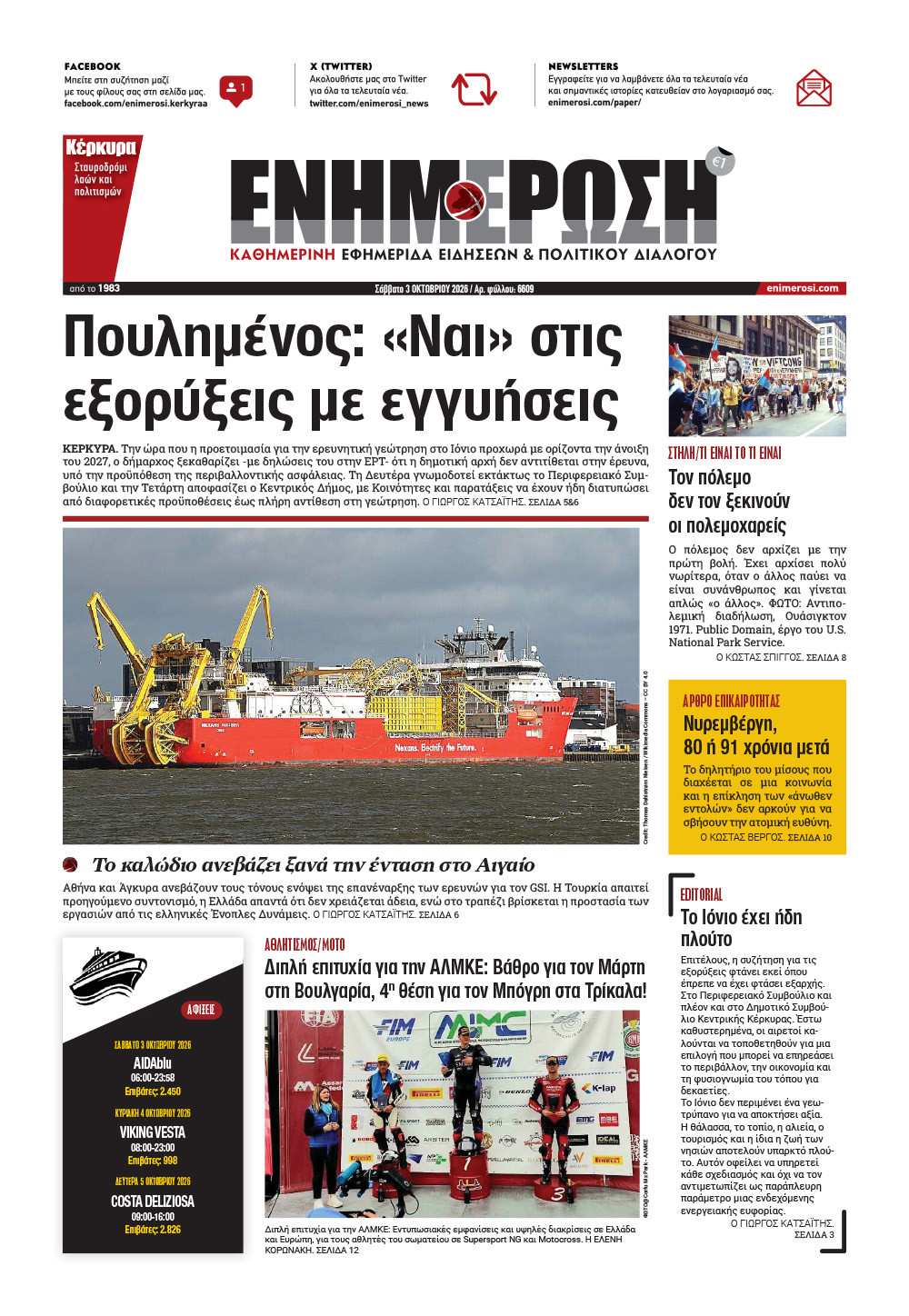
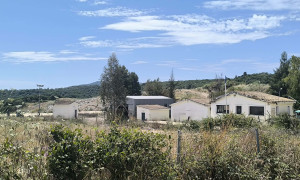
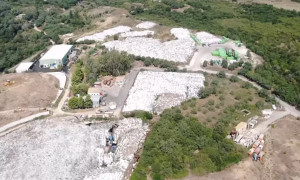
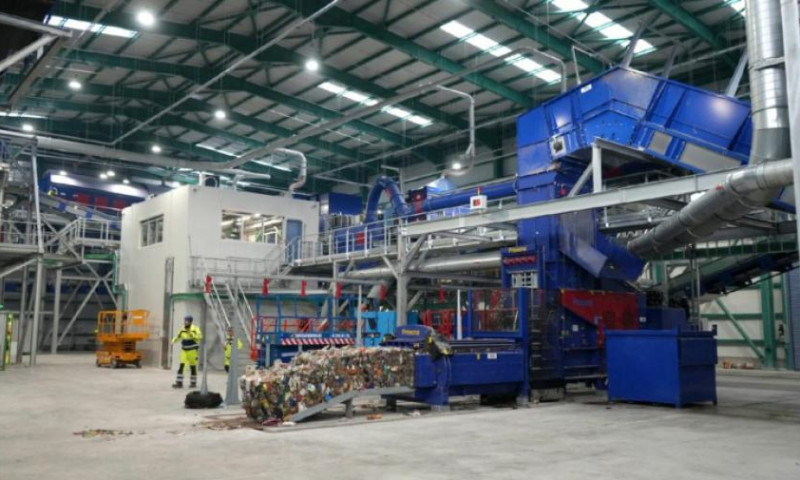 The new Materials Recovery and Recycling Facility in Temploni is expected to drastically reduce the volume of mixed municipal waste. However, it will not eliminate the need to transport the processed residual waste outside Corfu for energy recovery. Archive photo
CORFU. The 18th Panhellenic Conference of Greece΄s Waste Management Authorities (FoDSA), held in Corfu, has shone a spotlight on the island΄s largest environmental project. Yet even if construction of the Temploni waste treatment plant started today, it would still take years before the facility was fully operational, and waste shipments off Corfu would continue.
Even if construction work on the Materials Recovery and Recycling Facility in Temploni were to begin today, Corfu would still continue for several more years to depend on transporting waste off the island. This is the reality behind the largest waste management project of recent decades, which is expected to be included in the discussions of the 18th Panhellenic Conference of Greece’s Waste Management Authorities (FoDSA), hosted on the island these days.
Although the contract for the construction of the facility has already been signed, the project has not yet entered the full construction phase. Changes in the national waste management plan, the transition of funding to the new ESPA programme, and technical adjustments have pushed back the timeline, with the most optimistic official estimates placing completion and the start of operation between 2028 and 2029.
Even then, however, the problem will not be contained within Corfu itself. The new facility is not designed as a final waste disposal plant, but as a materials recovery installation and producer of secondary fuel. Recyclables will be separated, organic waste will be processed, but the energy-rich residue (RDF/SRF) will still be transported outside Corfu for incineration in energy recovery facilities provided for in the new national plan. Only a small inert fraction will end up in a landfill for residual waste.
In other words, sea transport will not be eliminated; it will change in character. Instead of large volumes of untreated mixed waste, processed fuel produced by the facility will be transported. Corfu will thus achieve a significant reduction in waste volume and better environmental performance, but not full management self-sufficiency.
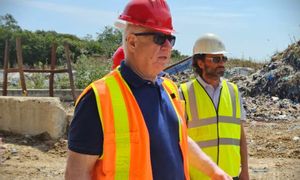
The FoDSA Conference therefore carries particular symbolic significance. Representatives of local government and the state are meeting on the island to discuss the future of waste management, while Corfu continues to be in a transitional phase: bearing the cost of transporting its waste, waiting for the start of a project considered critical, and already knowing that even after its completion, part of its waste “journey” will still end outside the island’s borders.
GIORGOS KATSAITIS